How to Manage Hunger and Thirst Mechanics in Survival RPGs
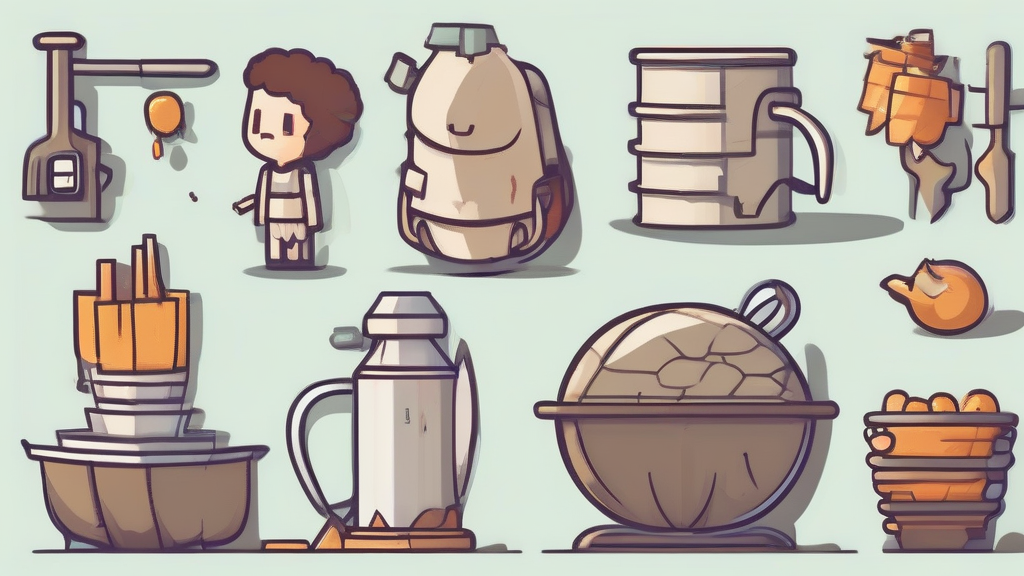
Learning how to manage hunger and thirst mechanics in survival games is often the difference between a thriving base and a tragic end. Whether you are trekking through the frozen wilderness or building a fort against the undead, your character's physiological needs act as a constant, ticking clock. Ignoring these bars usually leads to a rapid decline in health, stamina, or movement speed, turning a fun session into a frustrating "game over" screen.
- Prioritize renewable water sources early; dehydration kills much faster than starvation in most titles.
- Focus on high-calorie, low-weight food items to maximize your inventory space during long expeditions.
- Establish a routine for base maintenance so you never leave home without a packed supply kit.
Understanding the Basics of Survival Systems
Most modern survival RPGs utilize these systems to force players out of their comfort zones. If you could sit in a safe house forever, there would be no reason to explore the map or engage with dangerous biomes. Developers use these mechanics to drive the gameplay loop: you need to go out to find supplies, which forces you to encounter threats, which then necessitates better gear.
The core of this experience is often tied to homeostasis, the tendency of a system to maintain internal stability. When your hunger or thirst bars drop, your character’s performance degrades. You might lose the ability to sprint, your aim might become shaky, or you might start losing health points incrementally. Understanding how your specific game handles these penalties is the first step toward mastery.
Why Dehydration is Your Biggest Enemy
In almost every survival game I have played, thirst is a more aggressive threat than hunger. You can usually survive for several days in-game without eating, but running out of water will incapacitate you within hours. This mirrors real-world dehydration, where the body loses its ability to regulate temperature and transport nutrients efficiently.
Always prioritize finding a water source or a way to purify liquid before you hunt for big game. Carrying a canteen or a water skin should be your first crafting goal. If you are playing a game like The Long Dark or Project Zomboid, you will quickly learn that water management dictates the length of your trips. If you run out of water, turn back immediately.
Advanced Strategies for Resource Efficiency
Once you have the basics down, you need to look at efficiency. Carrying ten steaks is heavy and inefficient. Instead, look for food that offers high calorie density or buffs to your stamina regeneration. Many games allow you to cook or preserve items, which often makes them lighter and more restorative than their raw counterparts.
Mixing ingredients is a secret weapon many beginners overlook. If you have access to a crafting station, check if you can combine water with berries or herbs. This often creates a "super-drink" that replenishes your thirst bar more effectively than plain water. Experimenting with these combinations can save you significant time during long-distance travel.
Inventory Management and Preparation
The most successful players treat their inventory like a professional hiker. Before leaving your base, categorize your items into "essentials" and "luxury." Your water and food are essentials. Everything else—like extra ammo or decorative items—is luxury.
Pro Tip: Always keep a "go-bag" ready at your base. This bag should contain enough food and water for at least one full day of travel, plus a basic medical kit. If you die, having a backup stash at home ensures you can get back on your feet without having to start from scratch.
Addressing Common Survival Questions
People often ask, "Which is the number one survival game?" The truth is, it depends on what you value. If you want pure, unforgiving realism, The Long Dark is widely considered the gold standard. If you want base-building with friends, Valheim or 7 Days to Die might be more your speed. There is no single "best" game, only the one that best fits your playstyle.
Regarding the question, "What are the survival skills in the Hunger Games?" while that is a fictional scenario, the principles remain the same. It is all about foraging, trap-making, and water purification. In video games, these skills translate into leveling up your gathering stats or unlocking specific crafting recipes. Don't be afraid to invest skill points into your character's metabolic efficiency if the game allows it.
Fixing Poorly Designed Systems
Sometimes, a game's hunger and thirst mechanics feel more like a chore than a challenge. If you find yourself constantly eating every five minutes, the game might be poorly balanced. In these cases, look for mods or community patches that adjust the decay rate. You want the mechanic to add tension, not tedium.
If you are a fan of Minecraft, you know that the hunger bar is tied to health regeneration. This is a classic design choice that forces you to balance your activity level. If you sprint everywhere, you burn calories faster, which means you need more food. Recognizing this hidden cost is how you play smarter, not harder.
Key Takeaway: Stop sprinting when you don't need to. Many survival games link your calorie burn directly to your movement speed. Conserving energy is just as important as finding food.
Final Thoughts on Surviving the Grind
Mastering these systems requires patience. You will die—a lot. Every death is a learning opportunity where you figure out why you ran out of resources. Maybe you stayed out too long, or perhaps you didn't bring enough water. Reflect on your mistakes, adjust your loadout, and try again.
Survival RPGs are at their best when they make you feel vulnerable. By respecting the hunger and thirst mechanics rather than fighting against them, you turn a tedious bar-filling exercise into a satisfying part of your survival journey. Keep your canteen full, your belly fed, and your eyes on the horizon.
Frequently Asked Questions (FAQ)
Why does my character get hungry so quickly in survival games?
Most games link hunger decay to your stamina usage. If you are constantly sprinting, jumping, or mining, your character will burn through calories much faster than if you were walking or standing still.
Is it better to eat small amounts often or save food for when I am starving?
It is generally better to eat before you reach the "starving" status. Most games apply penalties to your health or stamina once those bars drop below a certain threshold, making it harder to survive if you wait until the last second.
How do I find water in games where it is scarce?
Look for natural water sources like rivers or lakes, but always check if you need to boil the water first. If the game doesn't provide natural sources, look for dew collectors, rain catchers, or lootable containers in abandoned buildings.
Posting Komentar untuk "How to Manage Hunger and Thirst Mechanics in Survival RPGs"