The Psychology of Fear: Why We Love Post-Apocalyptic Survival Games
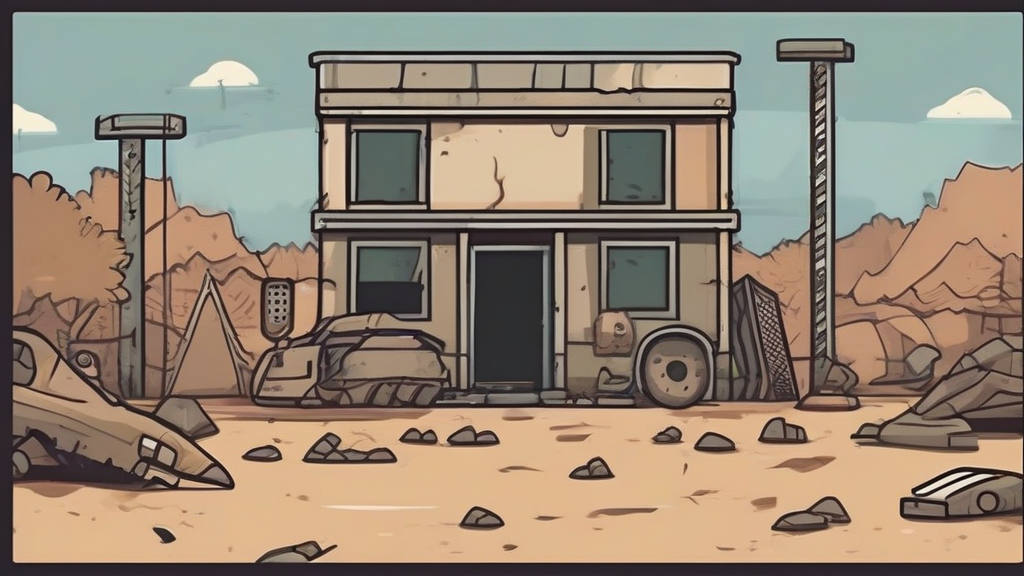
Understanding why we love post-apocalyptic survival games reveals a fascinating intersection between our primal instincts and modern digital escapism. When we fire up a console or PC to step into a world ravaged by collapse, we aren't just looking for mindless entertainment; we are engaging in a complex psychological experiment.
- The Appeal of Autonomy: Post-apocalyptic settings strip away the rigid social structures of 9-to-5 life, granting players total agency in a lawless environment.
- Controlled Fear: These games provide a "safe" space to experience extreme stress and adrenaline, triggering the body's fight-or-flight response without actual physical danger.
- Resilience Testing: Players find profound satisfaction in overcoming scarcity, turning the dread of survival into a rewarding sense of competence and mastery.
The Allure of the Tabula Rasa
There is a peculiar freedom found in the rubble of civilization. In our daily lives, we are tethered to schedules, social expectations, and the crushing weight of bureaucratic systems. When a game drops us into a world where the power grid has failed and the government is a memory, those constraints evaporate instantly.
This is what psychologists call a tabula rasa—a blank slate. In these virtual wastelands, your worth is not defined by your job title or your bank account. Instead, it is defined by your ability to adapt, scavenge, and build.
Escaping the Mundane Through Destruction
Many of us feel trapped by the repetitive nature of contemporary existence. We trade our time for money and our energy for stability. Post-apocalyptic games offer a radical alternative. They present a world where the "rules" have changed, and the primary goal is simply to see another sunrise.
This shift from complex societal navigation to basic, fundamental survival is deeply cathartic. You aren't worried about emails; you are worried about whether you have enough clean water to last until morning. The simplicity of these stakes makes the experience incredibly grounding.
The Psychology of Controlled Fear
Why would anyone choose to spend their free time in a world filled with radioactive monsters or decaying infrastructure? The answer lies in the concept of arousal. Humans are wired to seek out high-intensity situations, provided we know we are safe.
When you hear a click in the dark or see a horde of infected rushing toward your barricade, your heart rate spikes. Your palms get sweaty. Your pupils dilate. This is your nervous system firing on all cylinders, preparing you for a life-or-death confrontation.
The Safety of the Digital Barrier
Because you are sitting in your living room, your brain registers the threat as "real" enough to trigger an adrenaline rush, but "fake" enough to prevent genuine trauma. This allows us to process fear in a healthy, controlled environment. It is a form of emotional regulation.
We test our limits. We see how we handle pressure, how we manage resources when the margin for error is razor-thin, and how we cope with loss. It turns out that digital suffering can be a powerful tool for building personal resilience.
Why We Love Post-Apocalyptic Survival Games as a Creative Outlet
Beyond the adrenaline, these games are essentially elaborate construction projects. The world has been broken, and it is up to the player to put the pieces back together. Whether you are building a fortified base in a forest or scrounging for spare parts to repair a generator, you are engaging in a creative process.
Developers love these settings because they are modular. They provide an in-story reason to implement almost any mechanic. Need a crafting system? Scavenge the trash. Need a combat system? The world is hostile. Need a progression system? Start with a stick and end with a high-tech bunker.
The Fantasy of the "Last Person Standing"
There is a romanticized loneliness in these narratives. We often fantasize about being the one who makes it when everyone else fails. It’s an ego-driven power fantasy, sure, but it’s also a deeply human one. We want to know that we are capable of enduring the worst.
These games force us to answer a difficult question: Who would I be if the world ended tomorrow? Would I be the hero who shares their supplies, or the scavenger who looks out only for themselves? Navigating these moral dilemmas is part of what makes the genre so addictive.
The Social Element of Shared Survival
While the genre is often associated with solitary struggle, modern survival games have moved toward multiplayer experiences. This introduces a whole new layer of psychological complexity. Now, the threat isn't just the environment—it is other people.
Trust becomes a finite resource. In a world with no laws, how do you decide who to align with? This social tension mimics the complexities of real-world community building, albeit with higher stakes. It forces players to communicate, negotiate, and sometimes betray one another to survive.
Frequently Asked Questions
Why are post-apocalyptic games so popular right now?
They offer a perfect blend of escapism and agency. As the real world becomes more complex and interconnected, the simplicity of "survive at all costs" provides a refreshing, manageable challenge that rewards competence and quick thinking.
Do these games help with anxiety?
For many, yes. By simulating high-stress situations in a safe environment, players can practice remaining calm under pressure. It functions like a form of exposure therapy, helping individuals build confidence in their ability to handle difficult circumstances.
What is the main appeal of the survival genre?
The core appeal is the sense of progression. Starting with nothing and slowly accumulating tools, knowledge, and safety creates a powerful feedback loop. It turns the fear of the unknown into the satisfaction of mastery.
Ultimately, the reason we return to these ruins is that they reflect our own fragility and our hidden strength. We don't play these games because we want the world to end; we play them because they remind us that no matter how much is taken away, the human drive to survive remains the most powerful force on earth. Whether you are a casual player or a hardcore survivalist, there is always something to learn from the digital end of the world.
Posting Komentar untuk "The Psychology of Fear: Why We Love Post-Apocalyptic Survival Games"